
Drywall Repair
Cracks, holes and damage in a wall you already have, closed and finished so the room reads as one surface again. We work out what's behind it first, because that's the part that keeps it shut.
How we find what moved your wall →
Most cracks in Colorado Springs come from ground that moves with the seasons. Knowing that is what keeps the repair closed.
Good news first. If you've got one hairline crack over a doorway and it hasn't changed size since you moved in, that's usually a house settling comfortably into its seasons. Plenty of them never do another thing. Colorado Springs Expert Drywall will tell you that on the spot. A wall that turns out to be fine is a good morning, and we like being the ones who get to say so.
The ground under a lot of El Paso County is clay that swells when it takes on water and shrinks back when it dries out. Your slab and your footings ride on it. Move a foundation a quarter inch and the walls sitting on it have to go somewhere, so they open at the weakest point they can find. That's almost always the corner of a door or a window, or the line where the wall meets the ceiling.
Which is why the first thing any drywall contractor in Colorado Springs should do is work out whether your wall has stopped moving. A crack that's finished moving gets closed and finished and you never think about it again. One that's still working needs the cause dealt with first, and occasionally that's somebody else's trade before it's ours. You'll get told which one you have.
Cracks, holes and damage in a wall you already have, closed and finished so the room reads as one surface again. We work out what's behind it first, because that's the part that keeps it shut.
How we find what moved your wall →
Cracks overhead, sagging, and the seasonal gap along a wall that usually turns out to be nothing at all. Ceilings take ladders and time, so you'll know what that's worth before you book it.
What a ceiling crack usually means →
Testing first, then the scrape, then the finish work that leaves your ceiling ready for paint. Anything sprayed before the eighties gets tested, because testing is the only way anyone knows.
Testing, scraping, and what it costs →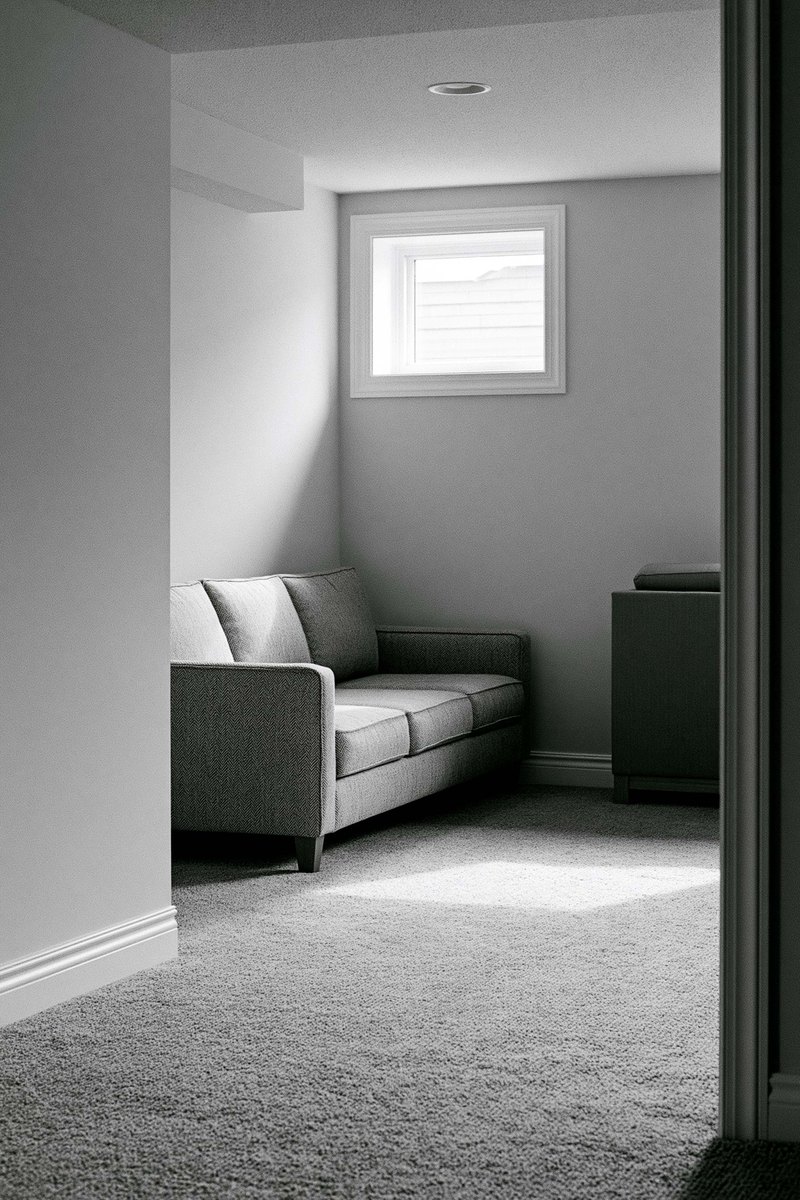
Board, tape and finish downstairs, built to float the way basement walls in Colorado Springs have to. Get that detail wrong and the drywall tells you about it every spring.
Why basement walls are framed to move →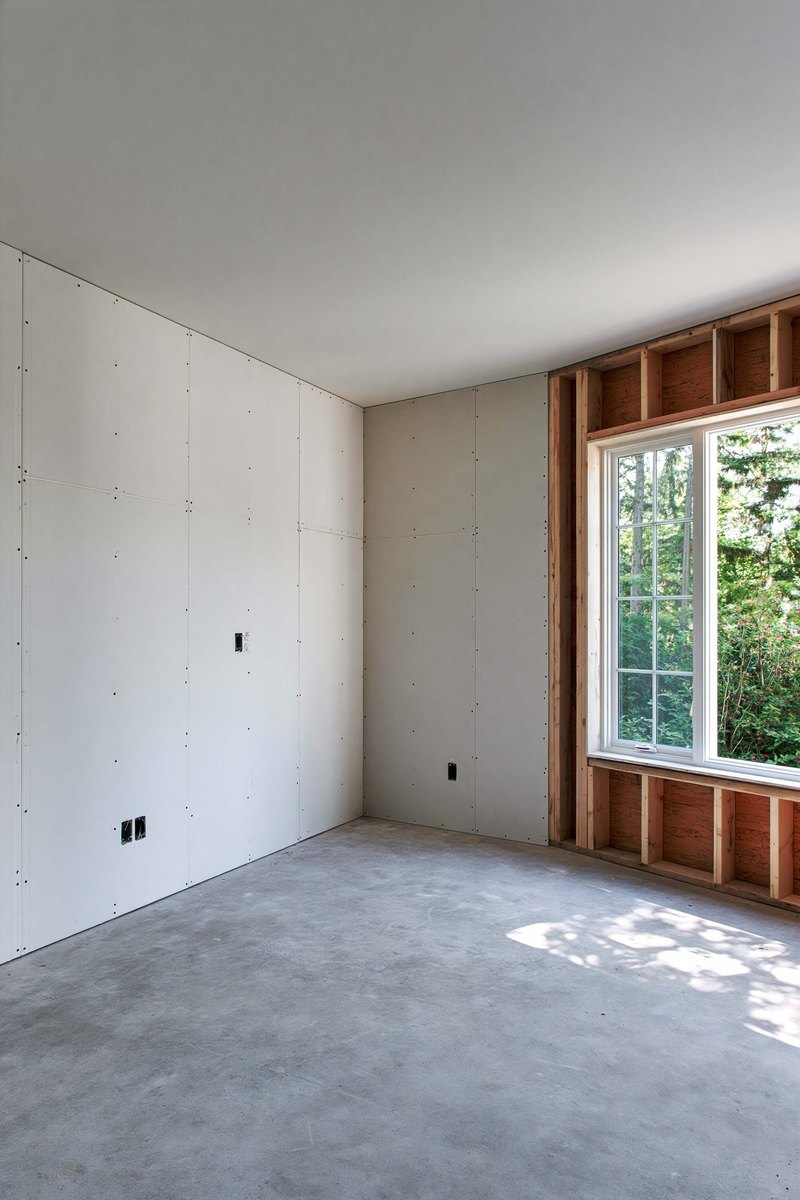
New board for an addition, a remodel, or one wall that had to come out. Hung, taped, finished and textured, left ready for your painter to walk in.
What a new drywall job involves →
A stain on a ceiling, a soft patch on a wall, and the question underneath both of them. We open it, dry it properly, and tell you plainly what we find.
What's behind a water stain →
The reason a patch shows or doesn't. Knockdown, orange peel, hand texture and the older finishes, blended into what's already on your wall.
Why patches stand out, and how we stop it →
A doorknob through the wall, a hole where something came off, one room that needs tidying up. Small jobs, done in a visit.
Small repairs, finished in a single visit →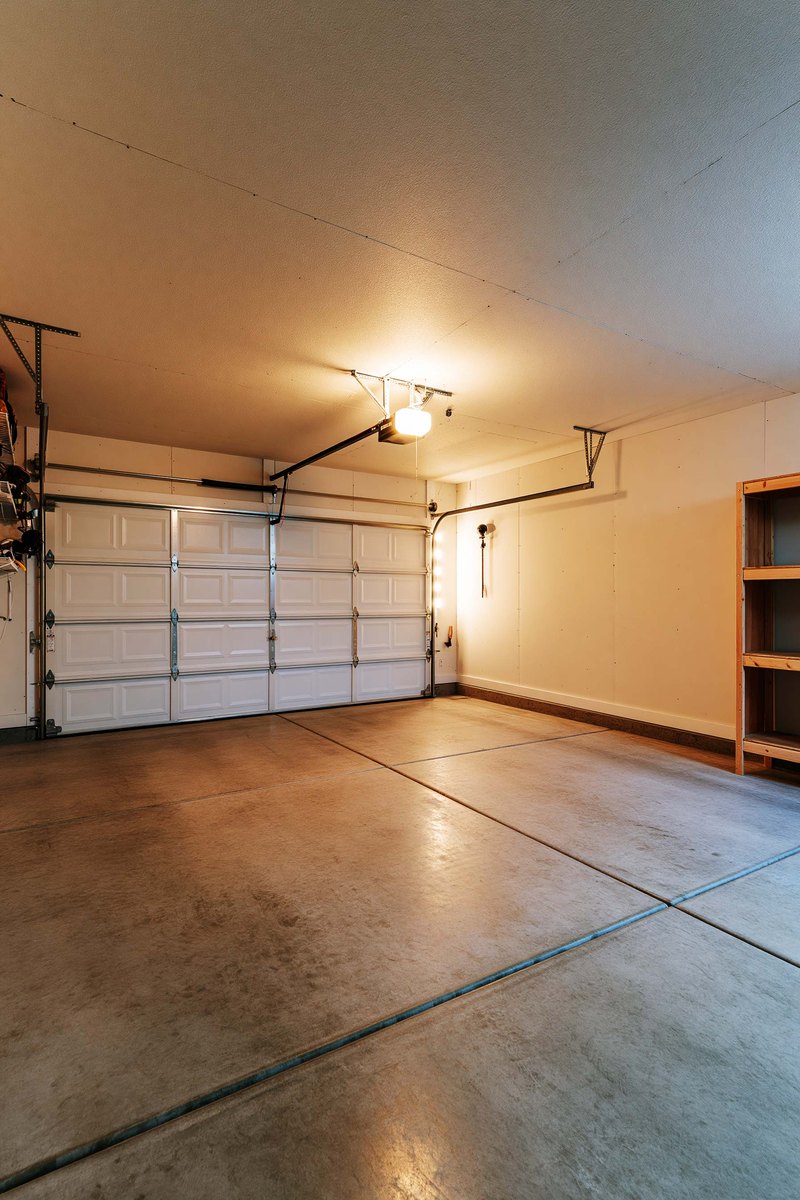
Boarding out an unfinished garage, and the fire-rated wall between your garage and the rest of the house that code has an opinion about.
What code asks for on a garage wall →A price you can count on comes off a wall somebody has actually looked at. That's slower than a price over the phone, and it's why yours holds.
Working out what moved your wall is what makes the fix last, so it comes first, every time, on every job.
You get the figure while we're still standing there. No call afterward explaining why it grew.
Filling it is quick. Blending it so you can't find the repair from the doorway is the part worth paying for.
Drywall dust travels, and it gets everywhere if nobody stops it. We seal the room off before we start sanding, and the dust leaves with us.
If your crack needs watching, or it's another trade's job, that's what you'll hear. You get a straight answer either way.
Colorado Springs built in waves, and each one left a different wall behind it. The median house in the city dates from 1986, so most of what we work on is board rather than plaster, but the older streets are a different job entirely. If you know roughly when your house went up, you already know most of what follows. If you don't, we'll place it in about a minute once we're in the room.
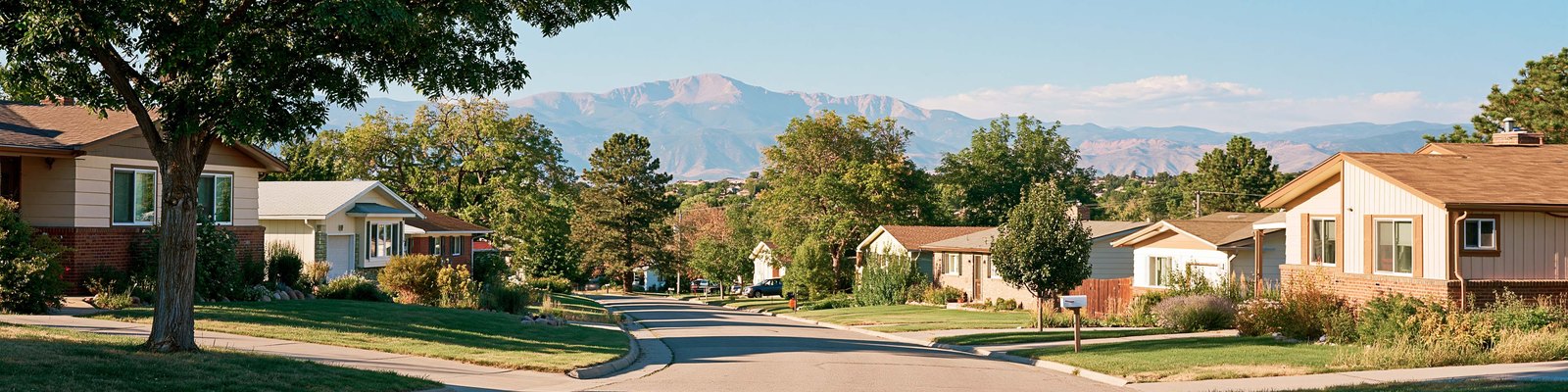
Plaster over wood lath, in the Old North End, the near west side and most of Manitou Springs. Thick, hard, and worth keeping. Repairs on plaster are about saving the original wall, which usually looks better and costs less than replacing it.
The military years. Camp Carson opened in 1942, Fort Carson took the name in 1954, and the Academy and NORAD followed. The city went from under 37,000 people to over 135,000 in thirty years, and whole neighborhoods like Security went up seven houses a week. Early board, thin, with plaster still turning up in the same house.
Board everywhere, sprayed textures, and popcorn overhead as the factory default. The 1980s is the single biggest decade in El Paso County's housing, so this is the most common wall we see. Worth a test before anybody scrapes a ceiling from these years.
Consistent framing, knockdown and orange peel finishes, and finished basements built with walls that float. The questions on these houses are about screws, seasons and settlement rather than age.
If you've got a finished basement, the walls downstairs were built differently from the ones upstairs, and most people never find out until something cracks.
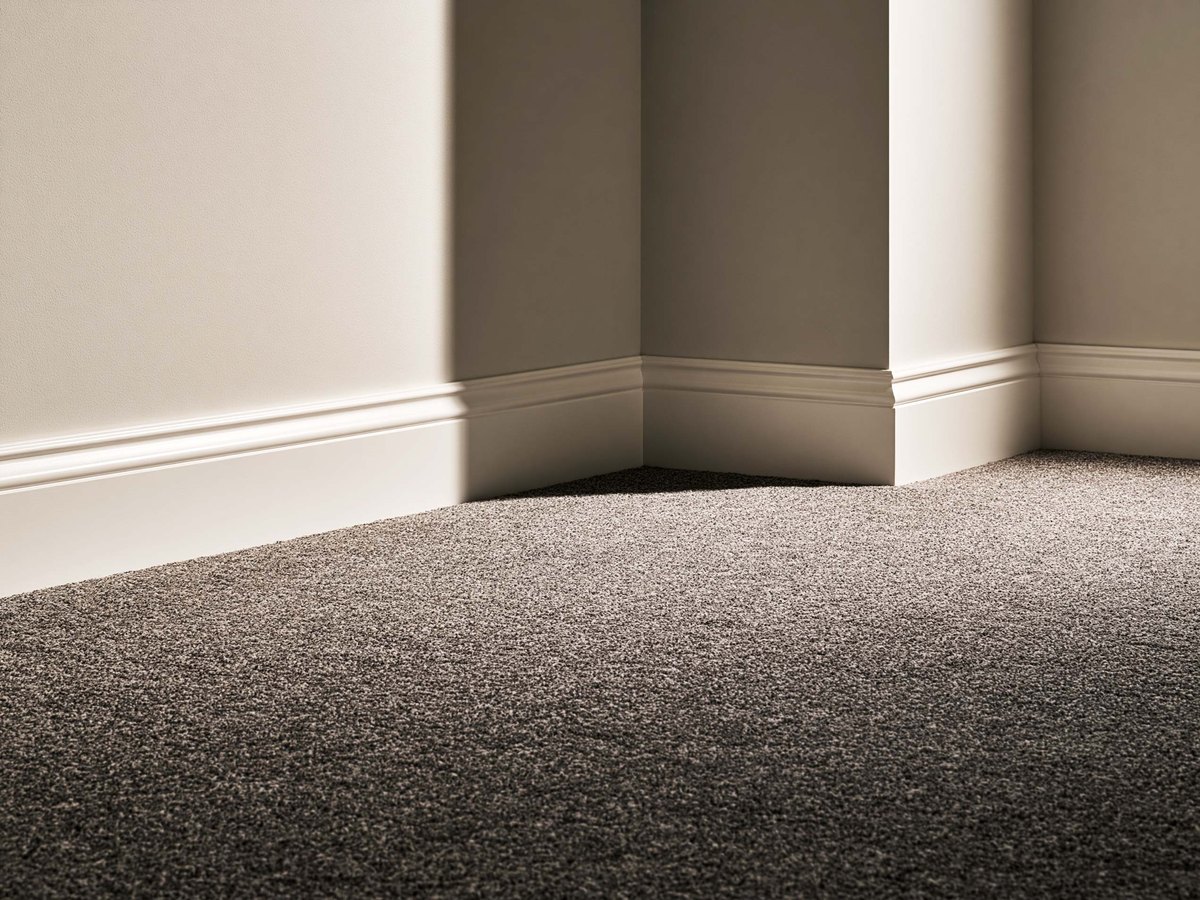
A basement wall in Colorado Springs doesn't sit on the slab. It hangs from the framing above it, with a gap left underneath so the slab can lift without pushing the wall up with it. The building department asks for a minimum inch and a half. There's a detail that goes with it that almost nobody knows about: the baseboard gets nailed to the wall only, never down into the floor. Nail it to both and you've tied the two things together that were supposed to move independently.
You can check your own in about ten seconds. Get down at the baseboard in a finished basement and look at where it meets the floor. If somebody has run nails down through it into the slab, that's the thing to fix before anybody patches the crack it caused. We see it a fair amount, usually where a basement was finished by whoever owned the house at the time, and it's a cheaper problem than it looks.
| What you can see | What it usually is | How urgent | What the job actually is |
|---|---|---|---|
| Hairline out of a door or window corner | Ordinary movement finding the weak point | Not urgent | Close it and finish it |
| The same crack back after a repair | Something down below is still moving | Worth a look first | Find the cause, then repair |
| A gap along the top of a wall in winter that closes in summer | The roof trusses lifting in the cold | Not urgent | Handled at the joint, not filled |
| Round bumps in a line across a wall | Screws backing out | Not urgent | Reset them and close |
| A brown mark that feels soft | Water still getting in behind it | Worth a call today | Stop the source, dry it, rebuild |
Treat that as a head start rather than a diagnosis. Your wall gets a proper look before anybody says anything for certain. Tell us what you're seeing and we'll tell you what it usually means, and if what you have in front of you doesn't match anything on that list, ask. Those are the interesting ones and we've got time for them.
A photo helps and a description is fine. Most of the time we can tell you on the phone whether it sounds like something worth looking at.
We work out what moved it, we tell you what we found, and you get the price before we leave. If it's nothing, you'll hear that too.
Room sealed, repair in, texture matched, and the place left the way we found it. You'll know before we start how long yours is likely to take.
A lot of El Paso County houses come and go on a military calendar. Around eighty percent of the soldiers at Fort Carson live off post, which means a steady flow of move-outs in Fountain, Security-Widefield and the south end of the city.
If you're getting a place ready between tenants, send us the list rather than booking each thing separately. Nail holes, doorknob dents, a scuffed corner bead and a ceiling stain are one visit and one price, and one visit is cheaper than four.
719-259-3834
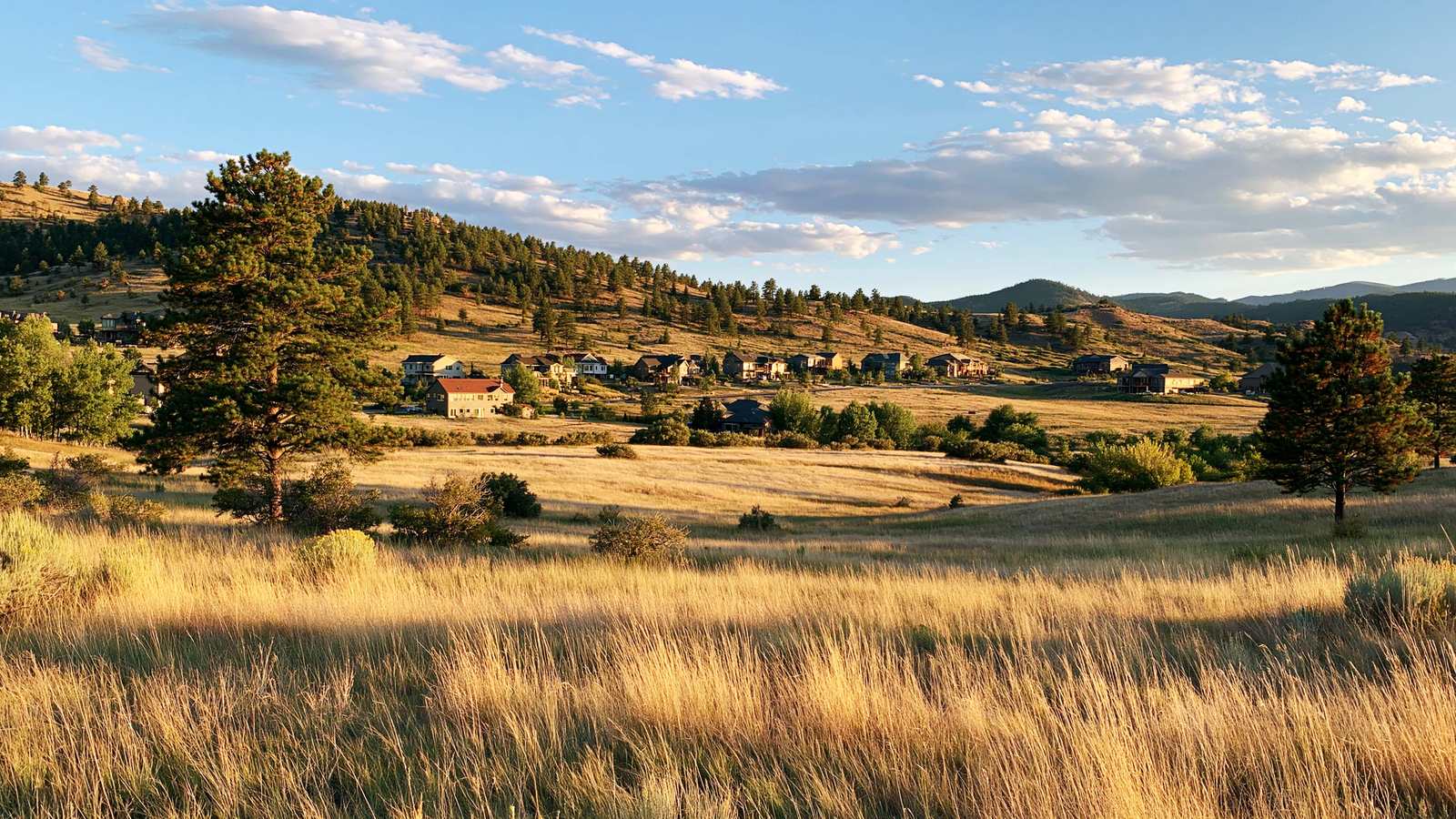
South of the city and next door to Fort Carson, with plenty of houses turning over between tenants.
Up on the Palmer Divide, colder and snowier than town, where ceilings do things walls don't.
Out east, where whole subdivisions went up together and tend to settle on the same schedule.
The oldest walls in El Paso County, plaster over lath, on lots you carry the board into by hand.
Acreage under the pines, with a great many houses rebuilt since 2013.
Built in the fifties at seven houses a week, and still remarkably alike inside.
Three short answers here. The FAQ page has the rest, including what ceilings, basements and popcorn removal run to.
A single repair, one crack or one hole, patched and finished, usually runs $150 to $400. If you've got several waiting, book them together and you're generally looking at $400 to $800 for the lot, because the trip only gets paid for once. Larger areas go by the foot instead, around $2 to $6 per square foot. Where your wall lands in those bands comes down to how easy it is to reach and what finish has to be matched. You get the price while somebody is standing in front of it.
Usually not, and that's the honest answer most people are hoping for. Most of what we look at is ordinary seasonal movement in ground that swells and shrinks, and it stops at the drywall. The ones worth a closer look are a crack that keeps returning after it's been repaired, one that's visibly widening, or a diagonal crack in a room where the doors have started sticking. You'll be told which of those you have, and if it turns out to be a question for a foundation company we'll say so plainly instead of closing it up.
For a small hole in a flat wall, often yes, and on a garage wall that's exactly the right call. Where it gets harder is the finish. Matching an existing texture so the repair disappears is a separate skill from filling the hole, and it's why so many patches are still visible from the doorway two years later. Flat wall and a small hole, you have plenty of options. Knockdown or a hand texture in a room you look at every day is worth somebody who matches texture for a living.
Send a photo of the crack, or just call and describe it. Either way, your estimate is free.